
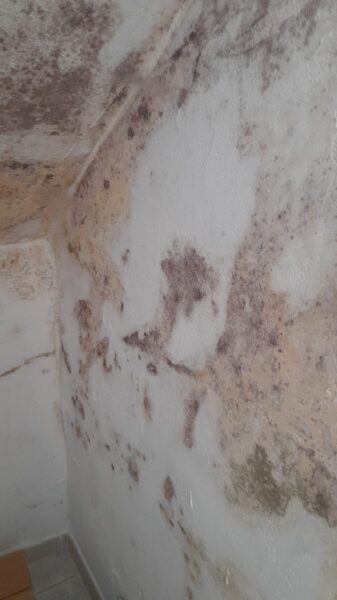
Damp can be a horrible problem to live with. In addition to making your home feel cold and uncomfortable, it can wreck your decor, damage your furniture and exacerbate health problems like asthma.
In severe cases it could cause structural damage to your home.
How to spot signs of damp
Damp can be a horrible problem to live with. In addition to making your home feel cold and uncomfortable, it can wreck your decor, damage your furniture and exacerbate health problems like asthma.
In severe cases it could cause structural damage to your home.
Signs of damp in a house
There are a number of tell-tale signs that suggest dampness in a house.
These signs of damp include:
A distinctive musty smell
The appearance of mould or mildew on walls, floors or ceilings
Walls, floors or ceilings that feel cold or wet
Water droplets on walls
Dark or discoloured patches on walls or plaster
Lifting or peeling wallpaper from moisture in the walls
Excessive condensation on windows, not just during the winter
Rotting woodwork like skirting boards
Rising damp
This is where moisture rises up from the ground through walls in a capillary action. Newer houses should have a damp-proof course to guard against damp, but they can be compromised over time.
Signs of rising damp include:
Damp patches that start at the base of a wall and gradually move upwards
Skirting boards or rotting plaster
Floor coverings such as tiles, vinyl or carpets that are wet and lifting
Peeling paint or wallpaper
The appearance of a white, powdery salt-like substance on a wall
Yellow or brown tide marks or staining on a wall
How to treat damp
Problems caused by condensation can be improved by doing your best to remove as much moisture from a room as you can and improving ventilation.
To prevent condensation in the home, make sure you’re using extractor fans in bathrooms and kitchens, and keep windows open. Where you have a localised problem you might want to think about using a dehumidifier.
If you have penetrating damp due to porous bricks, replacing the bricks or painting them with silicone water-repellent paint could help fix the problem. You can get anti-damp paint from most DIY stores.
You might also be able stem the problem by fixing or replacing your gutters.
Not all damp problems are easily resolved, though.
On some occasions, you might need expert help – particularly if it’s rising damp you’re up against. A surveyor should be able to accurately measure levels of damp and pin down the cause of the problem and apply the proper solution.